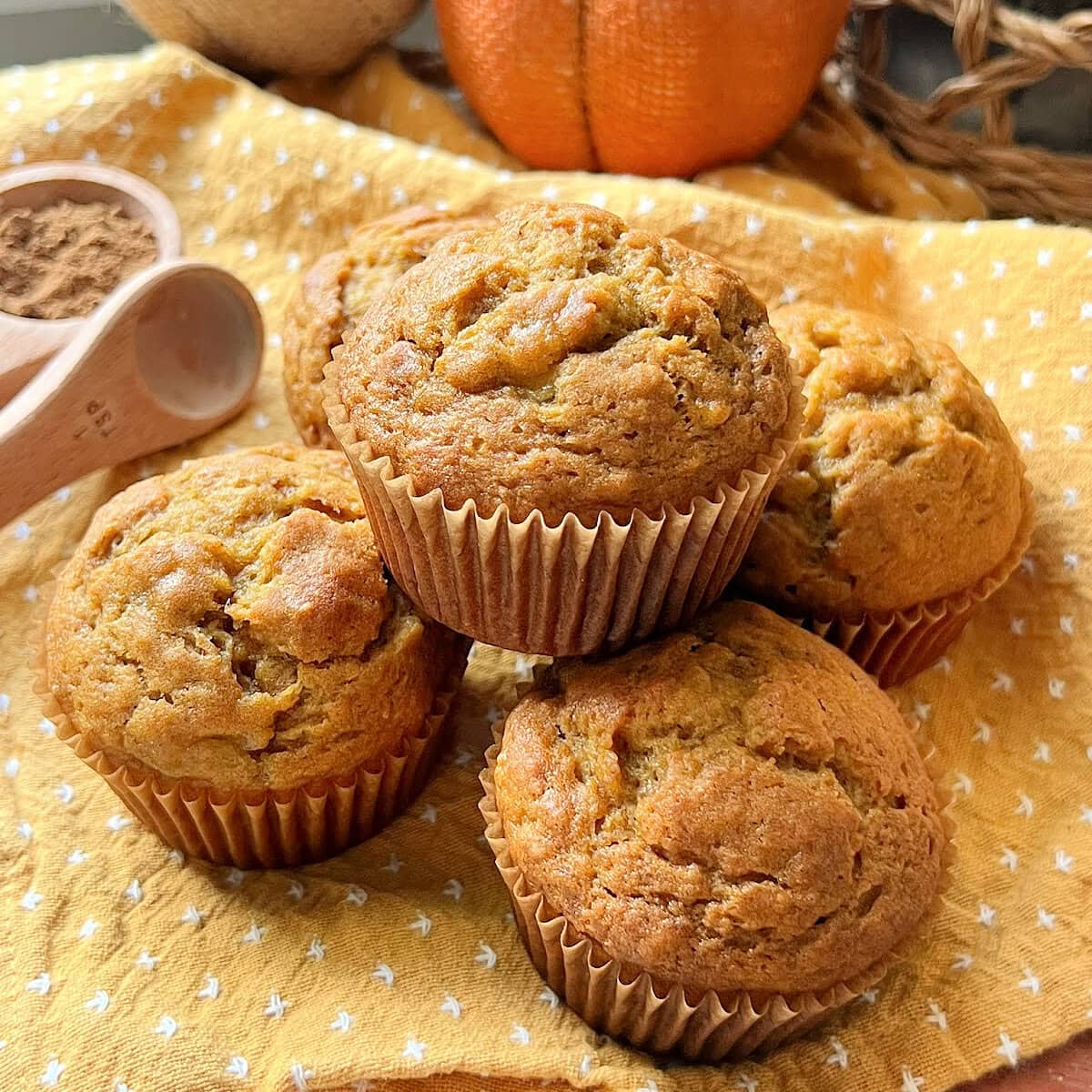

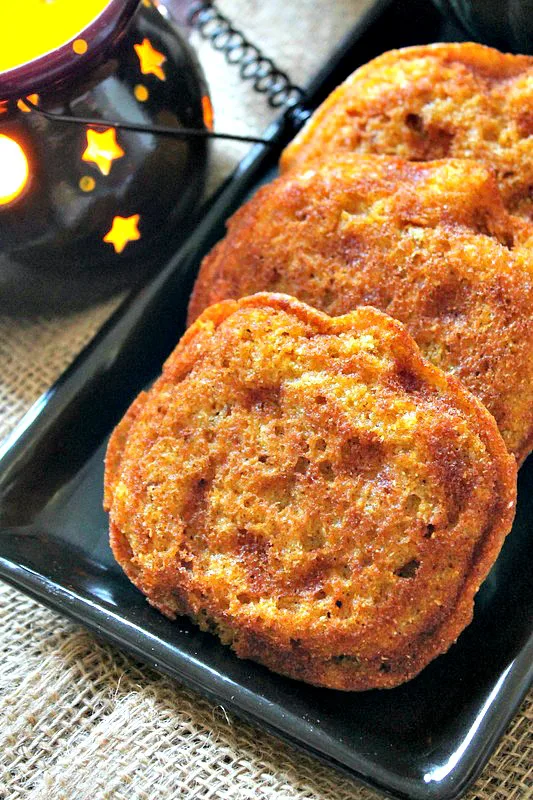
Gluten Free Pumpkin Cornbread! Looking for something to serve alongside hearty soups, stews and chilis this fall? This naturally gluten free cornbread recipe is easy to make and even easier to gobble up!
Disclosure: This post may contain affiliate links. As an Amazon Associate I earn from qualifying purchases at no additional cost to you.
October is the perfect excuse for gatherings centered around autumn’s fun activities like football watching and eating pumpkin everything. If you’re looking for a great complement for hearty soups, stews and chilis, this naturally gluten free pumpkin cornbread is a perfect solution!
Tender, lightly sweet and made entirely with cornmeal, there’s no gluten-free flour blend required in this recipe! Pumpkin purée adds moisture and subtle fall flavor, while honey gives it just enough sweetness to pair with everything from chili and soup to a Thanksgiving spread.
It comes together in about 15 minutes and can be baked in a skillet, square pan, muffin tin or even a seasonal mold for fall entertaining.
The Short & Sweet
- The Concept: A quick, flourless pumpkin cornbread made with cornmeal, pumpkin purée, Greek yogurt and a touch of honey.
- Why It’s Worth Making: There’s no gluten-free flour blend required, the batter comes together in minutes, and pumpkin keeps the cornbread moist while adding subtle seasonal flavor.
- Best For: Fall soups and chili, Thanksgiving dinner, game-day spreads or serving warm with butter and honey.
- Prep Ahead? Yes. Bake it a day ahead, cool completely and store tightly covered. Warm it briefly before serving if you prefer it fresh-from-the-oven cozy.
- Before You Start: If you’re preparing this for someone who needs to avoid gluten, check that your cornmeal and other packaged ingredients are labeled appropriately to avoid cross-contact.
Ingredients
- Cornmeal. Medium-ground cornmeal works well here. Since there is no flour in the recipe, cornmeal provides the structure.
- Baking soda
- Baking powder
- Salt
- Egg
- Butter
- Honey. Adds just a touch of sweetness. You can add another tablespoon if you prefer sweeter cornbread.
- Pumpkin purée. Use plain pumpkin purée, not pumpkin pie filling. It adds moisture and mild pumpkin flavor rather than making the cornbread taste strongly of pumpkin.
- Plain Greek yogurt. Full-fat Greek yogurt helps keep this flourless cornbread tender and moist.
Instructions
Start by whisking together the cornmeal, baking soda, baking powder and salt in one bowl. In another, combine the egg, melted butter, honey, pumpkin purée and Greek yogurt until smooth.
Add the wet ingredients to the dry and stir just until everything is evenly combined. The batter will be thicker than a traditional cake batter, but it should still be easy to scoop or spread. Avoid overmixing, which can make the cornbread denser.
Transfer the batter to your prepared pan or molds and bake until the tops are set and lightly golden. A toothpick inserted in the center should come out clean or with just a few moist crumbs. Baking time will vary depending on the size and depth of the pan, so use the visual cues rather than the clock alone.
Let the cornbread cool slightly before removing it from the pan or molds. Serve warm or at room temperature with butter, honey or your favorite fall meal.
What Pan Should I Use for Pumpkin Cornbread?
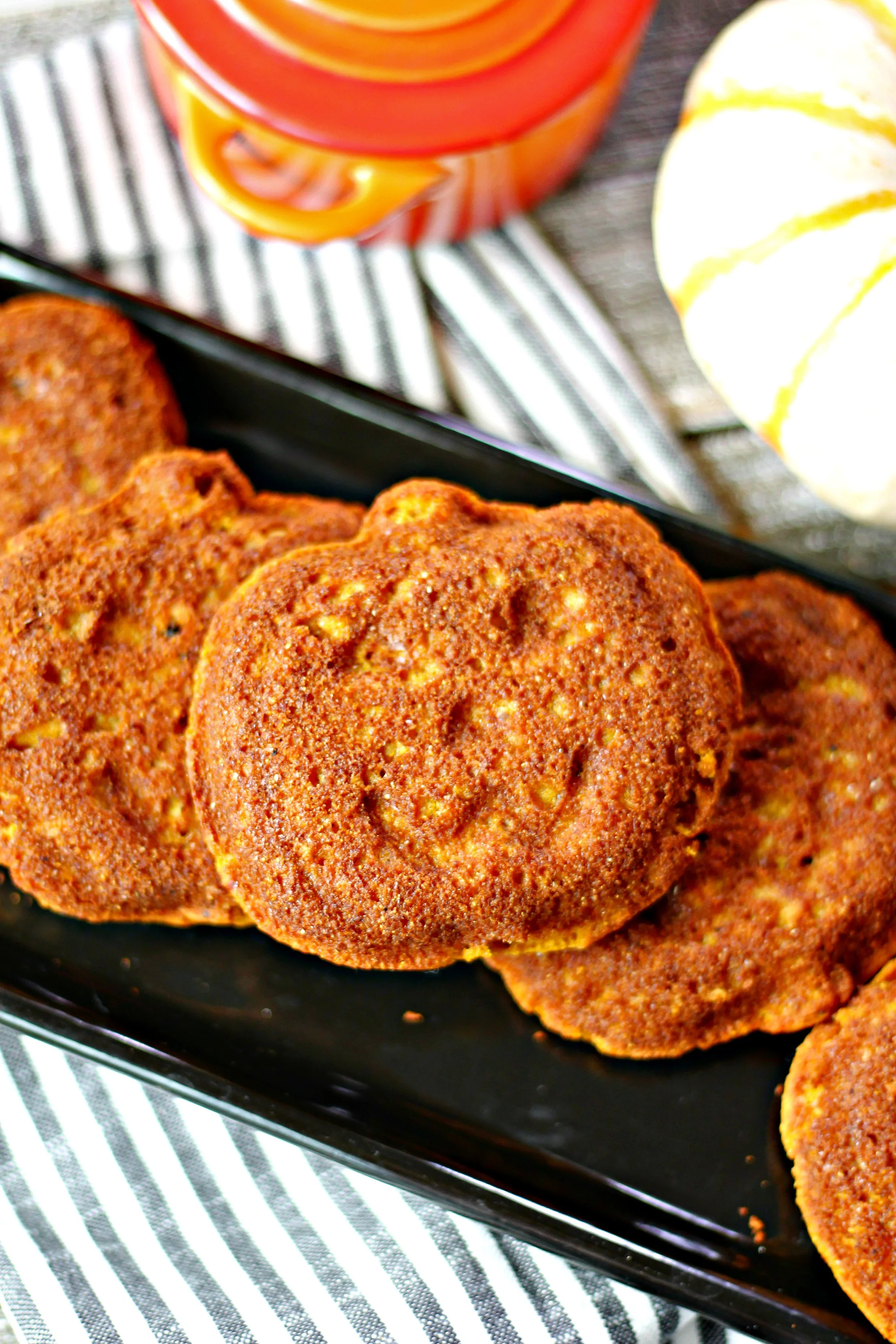
An 8×8-inch baking dish or cast-iron skillet works well for traditional cornbread, while a muffin tin makes individual servings that are especially easy for a buffet or holiday table.
For fall entertaining, I love using pumpkin- or leaf-shaped molds for a little seasonal detail without doing anything overly themed.
Just remember that baking time will vary with the size, depth and material of your pan. Smaller molded pieces bake more quickly than a full skillet or square pan, so use the appearance and toothpick test rather than the clock alone.
What Does Flourless Cornbread Taste Like?
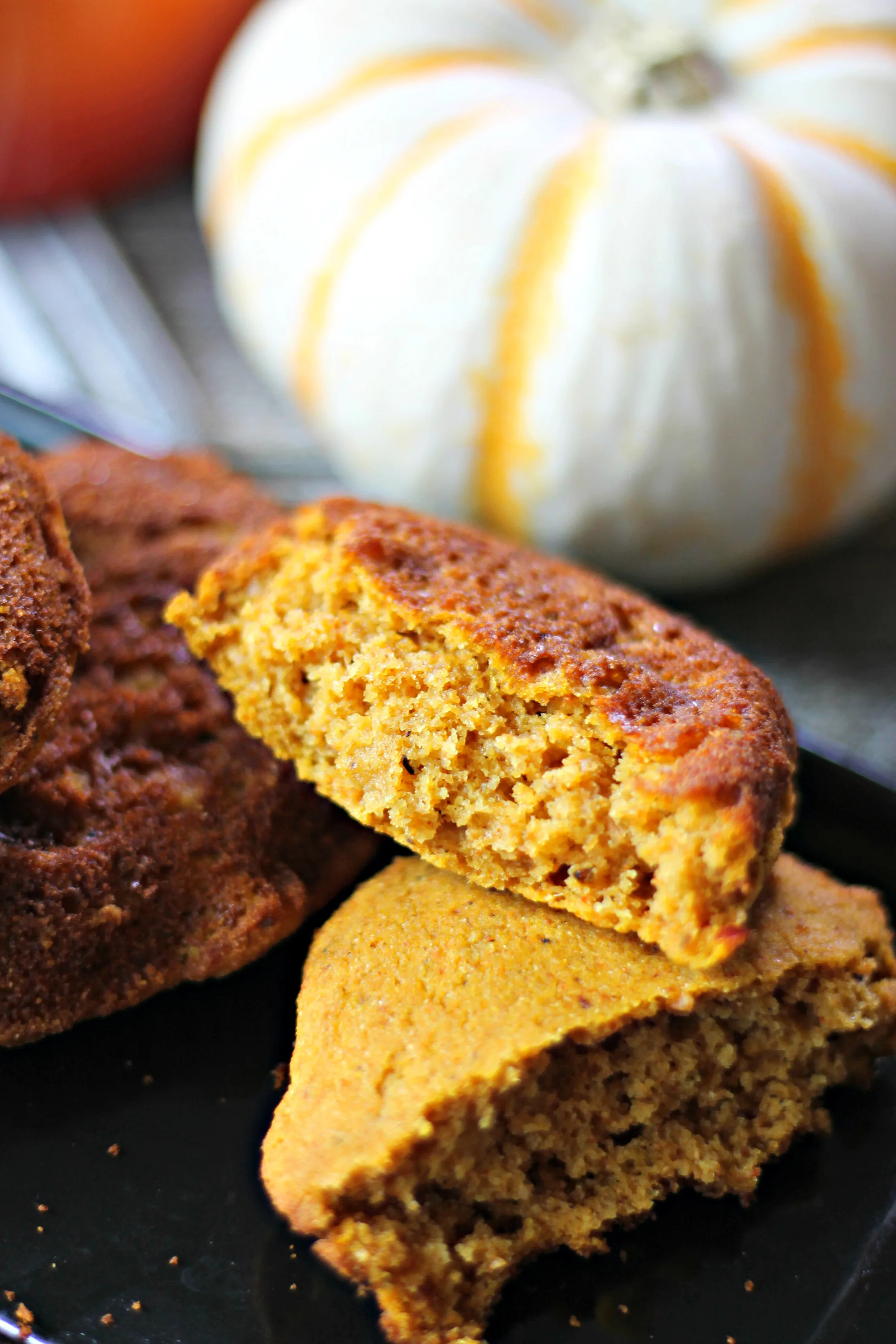
Because this recipe is made entirely with cornmeal rather than a combination of cornmeal and flour, the texture is a little more rustic and crumbly than cake-like cornbread.
The pumpkin purée and Greek yogurt add moisture and tenderness, so the finished cornbread is still soft rather than dry. If you prefer very fluffy, cake-style cornbread, this will have a slightly different texture; that hearty cornmeal texture is part of what makes it so good alongside soups, chili and savory fall meals.
The nice thing about this recipe is that, if you need a recipe for specifically gluten free cornbread, you don’t have to worry about having gluten free flour in your pantry in order to make it.
Variations
Cornbread is a fairly blank canvas flavor-wise, probably because it’s often served as an accompaniment to things like flavorful soups and chilis.
If you’re serving cornbread as a stand-alone snack to nibble on, you may want to jazz up the flavors by adding in, well, some add-ins! Here are a few flavor variations that you may want to try:
- Taco-Spiced Cornbread – Add 1 1/2 tablespoons of your favorite taco seasoning to the dry ingredients for a southwestern kick!
- Cheesy Cornbread – Add 1/2 cup of grated cheese of your choice to the batter before baking.
- Smoky Bacon Jalapeno Cornbread – Add about 1/3 cup of cooked, crumbled bacon and about 1/4 cup of pickled jalapenos to the batter before baking for a smoky, spicy version.
- Corn & Scallion Cornbread – Add about 1/4 cup corn kernels and 1/4 cup chopped scallions to the batter before baking for extra flavor and texture.
If gluten isn’t an issue for you, here are a few other interesting cornbread recipes!
- Pimento Cheese Stuffed Cornbread
- Brown Butter Zucchini Cornbread
- Poblano Corn Muffins with Chili-Honey Butter
Make Ahead
This cornbread can be baked a day ahead, which makes it especially useful for Thanksgiving or fall entertaining.
Let it cool completely, then store it tightly covered. Warm it briefly before serving if you prefer it soft and cozy rather than room temperature.
Storage & Reheating
- Store leftover cornbread in an airtight container once completely cooled.
- To reheat, warm individual pieces briefly in the microwave or place a larger batch in a low oven until heated through.
- A little butter and honey after reheating brings the texture right back to life.
Serve It in Style
- For a cozy fall dinner, serve the cornbread warm in a small bread basket lined with a cloth napkin, with softened butter and honey alongside.
- For Thanksgiving or a fall buffet, individual muffins or pumpkin-shaped pieces make serving especially easy. Arrange them on a low platter or in a shallow basket and add a small crock of honey butter nearby.
- This cornbread pairs especially well with an autumnal soup like Creamy Butternut Squash or a hearty chili like Vegetarian Lentil & Farro Chili, and it also makes a seasonal alternative to traditional dinner rolls on a Thanksgiving table.
Gluten Free Pumpkin Cornbread